If you have ever tried to hire someone to build a website, you have probably noticed that the terms "web designer" and "web developer" get used almost interchangeably. Some people call themselves both, some studios list them as separate roles, and quotes can vary a lot depending on which one you approach. It is confusing, and it matters, because hiring the wrong type of help can leave you with a site that looks great but does not work, or works fine but does nothing for your brand.
We do both design and development, so we see the line between them every day. Here is how we explain it to clients.
What a web designer does
A web designer is focused on how a website looks, feels and guides people. Good design is not just making things pretty. It is about clarity: helping a visitor understand what you do, trust you and take the next step.
Typical web design work includes:
- Planning the site structure and the journey a visitor takes.
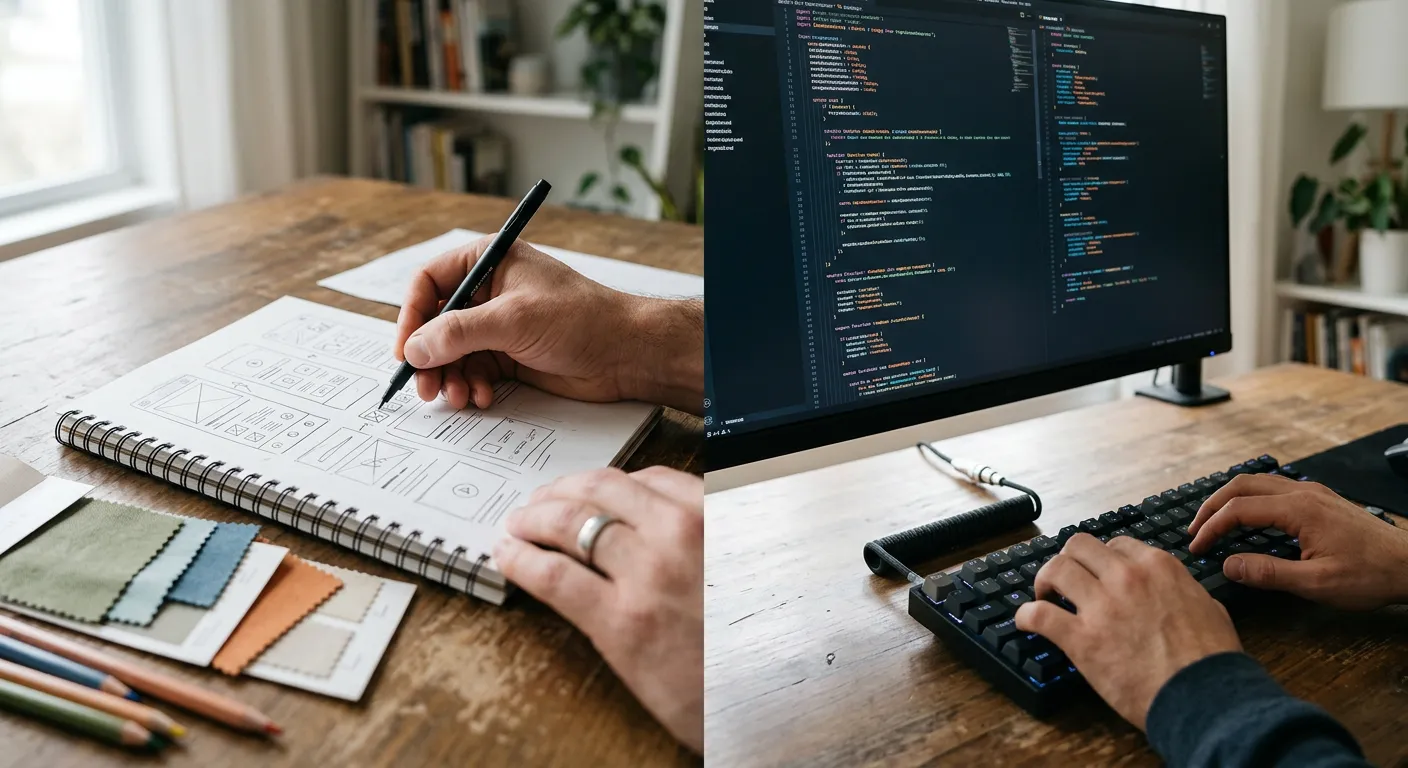
- Creating wireframes and visual mock-ups of key pages.
- Choosing typography, colours, spacing and imagery that suit the brand.
- Designing for mobile, tablet and desktop screens.
- Thinking about accessibility, such as colour contrast and readable text sizes.
- Working with copy so headings and calls to action actually land.
Designers usually work in tools like Figma, producing a blueprint that shows exactly what the finished site should look like.
What a web developer does
A web developer turns that blueprint into a working website and makes sure it runs reliably. Development covers everything under the bonnet.
Typical web development work includes:
- Writing the HTML, CSS and JavaScript that make up the pages.
- Setting up and configuring a CMS such as WordPress.
- Building custom features like booking forms, calculators or member areas.
- Connecting the site to other systems, such as a CRM, email platform or payment provider.
- Optimising speed, security and technical SEO.
- Managing hosting, deployment, backups and updates.
Within development there are further specialities. Front-end developers focus on what runs in the browser. Back-end developers handle servers, databases and application logic. Full-stack developers cover both.
Where the two roles overlap
In practice, the line is blurry, especially in smaller studios. Many designers can build a site with a theme or page builder. Many developers have a good eye and can make sensible design decisions. And plenty of the best work happens in the overlap.
Areas where both roles need to contribute:
- Responsive behaviour: the designer decides how layouts adapt; the developer makes it work across real devices.
- Performance: design choices like huge images and animations affect speed, so both need to keep it in mind.
- Accessibility: it starts in the design and has to be carried through in the code.
- User experience: how forms behave, how errors display, how fast things feel.
The problems tend to happen when one side is missing. A design-only build can look polished in a mock-up but end up slow, hard to maintain or difficult to update. A development-only build can work perfectly but look generic and fail to convert visitors into enquiries.
Who to hire for what
| Your situation | Who you mainly need |
|---|---|
| New small business site, five to ten pages | A studio or experienced freelancer covering both |
| Refreshing the look of an existing site that works well | Mainly a designer, with developer support to implement |
| Site is slow, buggy or keeps getting hacked | A developer |
| Adding bookings, integrations or automation | A developer |
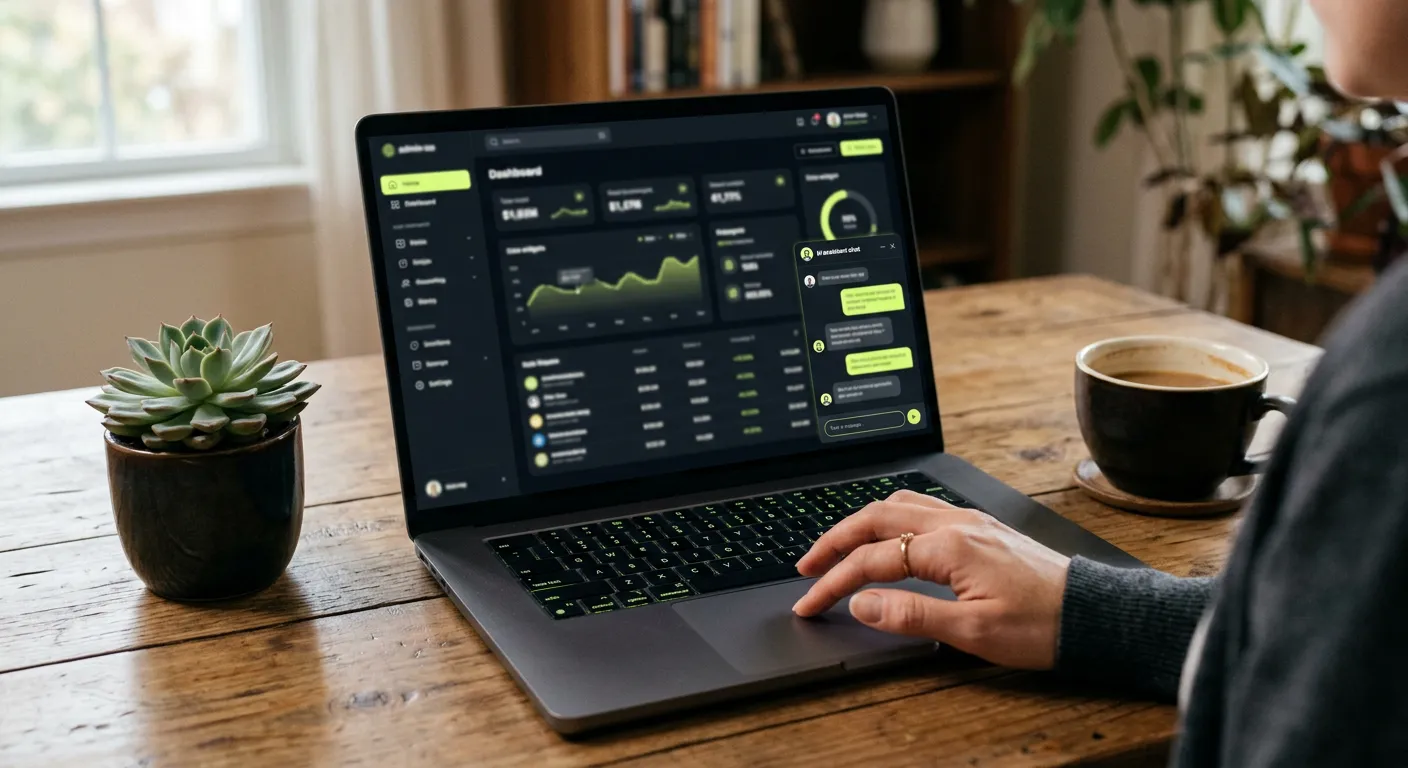
| Building a portal, dashboard or web app | A developer or team, with a designer for the interface |
| Rebranding and need the site to match | A designer first, then a developer |
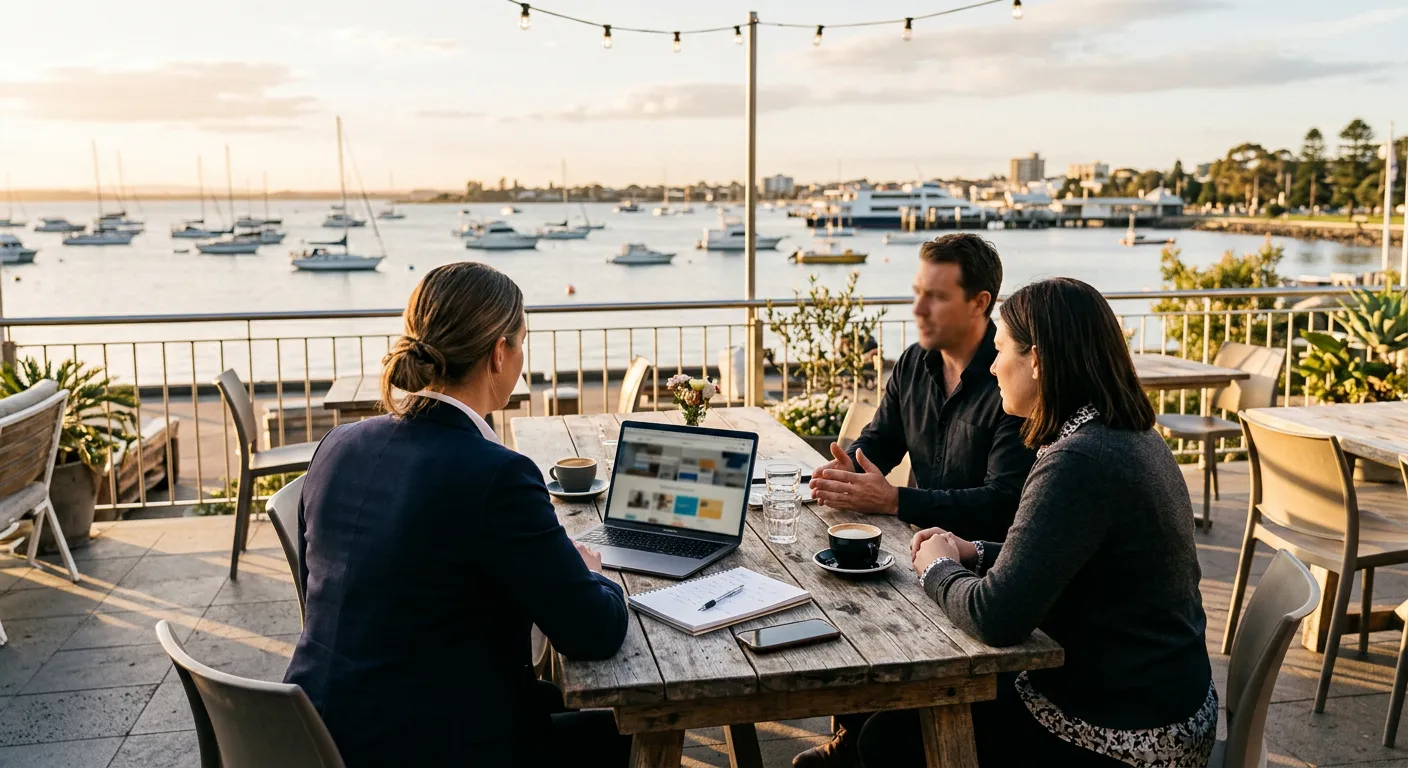
For most local service businesses, a combined approach is the most cost effective. You get one point of contact, fewer handovers and less chance of something getting lost between the design file and the live site.
Questions to ask before you hire
Whatever someone calls themselves, these questions will tell you what you are actually getting.
- Who will design the site, and who will build it? Are they the same person?
- Will I see a design before development starts?
- How do you make sure the site is fast and secure?
- Can I update the content myself afterwards?
- Who looks after updates and fixes once the site is live?
- Can you show me examples of both the design and the technical results, such as speed scores?
Their answers will quickly show whether they lean towards design, development or genuinely cover both. If you are in our region, our guide on choosing a web designer in Geelong goes into more detail on what to look for.
What about AI tools?
AI can now generate layouts, write code snippets and even spin up basic sites. It is a useful assistant for both designers and developers, and we use it ourselves for parts of our workflow. But it does not replace the judgement needed to plan a site around your customers, or the care needed to make it secure and maintainable. We cover this in more depth in can AI build your app.
The bottom line
A web designer shapes how your site looks and how people move through it. A web developer makes it work, keeps it fast and connects it to the rest of your business. Most small business websites need a bit of both, and the best results come when the two are planned together rather than handed off in isolation.
Talk to a team that does both
At Unreal Digital, design and development sit under the same roof, so nothing gets lost in translation. Whether you need a fresh WordPress website or something more custom, we are happy to talk it through. Get in touch and tell us what you have in mind.